For appointments: +91 96716 00470 | +91 86195 19149
Monday - Saturday: 9:00am - 8:00pm
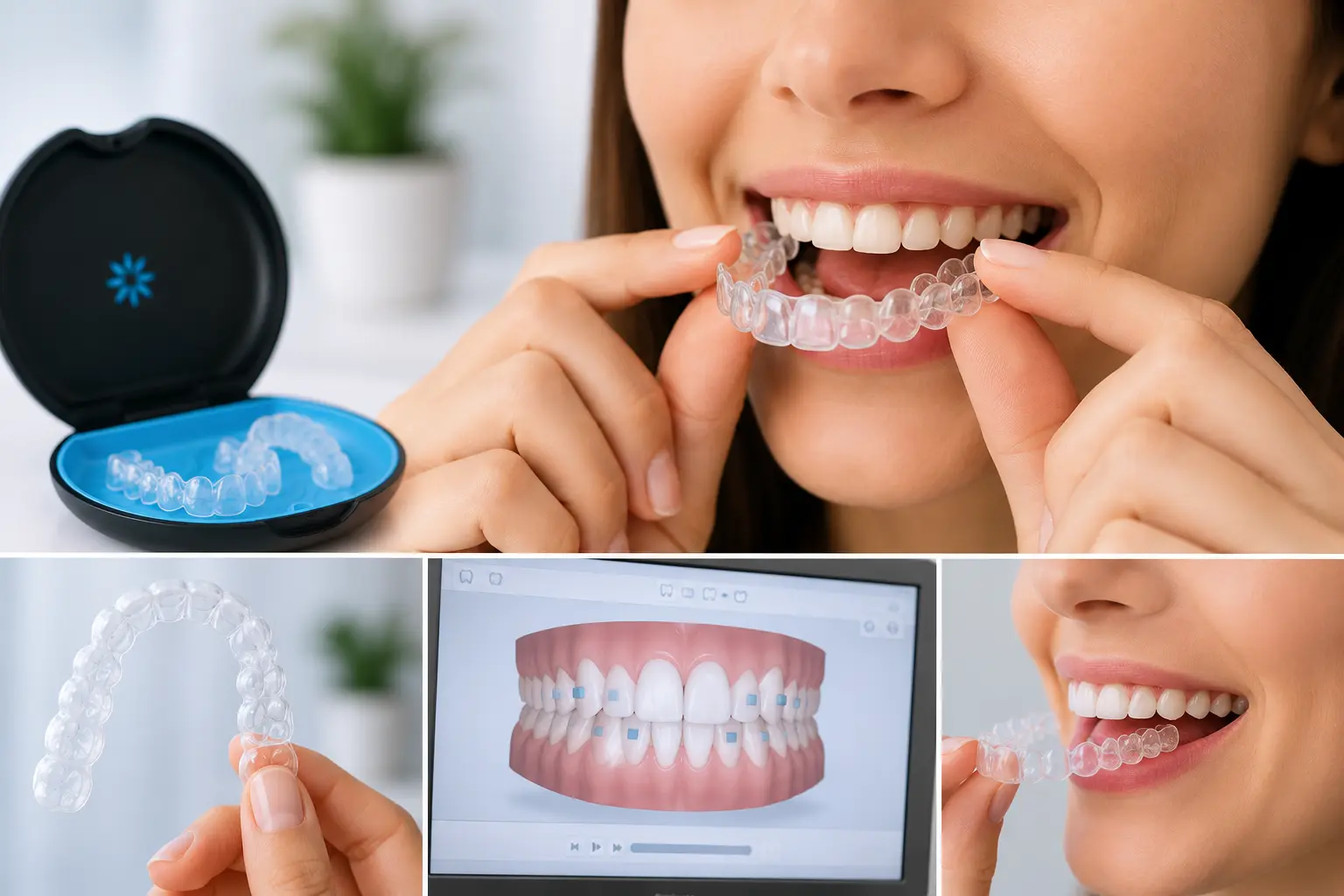
If you want to straighten your teeth without the appearance of traditional metal braces, clear aligners may be an option worth exploring. These transparent, removable trays are designed to move teeth gradually according to a personalised orthodontic treatment plan. They can help correct certain cases of crowded teeth, gaps and other alignment concerns, depending on the complexity of the problem.
At Dr. Gourav Dental Art in Karnal, Haryana, patients can explore clear aligner therapy with guidance from Dr. Mrinal Singh, Consultant Orthodontist (BDS, MDS in Orthodontics and Dentofacial Orthopedics). The aim is to assess your teeth and bite, explain the available treatment options, and help you understand whether clear aligners are suitable for your needs.
Whether you are considering teeth straightening for the first time or your teeth have shifted after earlier orthodontic treatment, an orthodontic consultation is the right place to start.
Looking for clear aligners in Karnal? Book a consultation to discuss your alignment concerns, treatment options, expected duration and the cost of your personalised plan.
Clear aligners are custom-made, transparent trays that fit over your teeth. Each set is designed to apply controlled pressure to selected teeth, gradually guiding them towards planned positions. As treatment progresses, you move through a series of aligners according to your orthodontist's instructions.
Unlike fixed braces, clear aligners can be removed for meals, drinking anything other than plain water, brushing and flossing. Their transparent appearance also makes them less noticeable than conventional metal braces for many people.
However, clear aligners are not simply cosmetic trays. They are orthodontic appliances that must be planned, fitted and monitored appropriately. The suitability of treatment depends on your teeth, bite, gum health and the type of movement required.
At Dr. Gourav Dental Art, a consultation can help establish whether clear aligners, fixed braces or another approach is appropriate for your particular case.
Clear aligner treatment uses a planned sequence of trays to move teeth gradually. Although the exact process varies between patients and aligner systems, treatment generally follows these stages.
The first step is to discuss what you would like to improve. You may have crowded front teeth, spaces between teeth, mild rotations or concerns about how your upper and lower teeth meet.
The orthodontist examines your teeth, bite and oral health. Your dental history and any previous orthodontic treatment may also be relevant. If required, diagnostic records such as dental X-rays, photographs, digital scans or impressions may be taken.
This assessment helps determine whether clear aligners are appropriate and whether any other dental treatment is needed before orthodontic treatment begins.
Once the necessary records are available, the orthodontist plans the tooth movements needed to address your concerns. The plan considers the starting position of your teeth, the desired changes and the limitations of aligner treatment.
Some cases may require small tooth-coloured attachments to help the aligners guide particular movements. Depending on the case, other procedures or additional orthodontic appliances may also be recommended.
Your orthodontist should explain the proposed plan, its limitations, the estimated duration and the expected costs before you proceed.
A series of aligners is prepared to match your treatment plan. Each tray is designed for a particular stage of tooth movement.
The aligners should fit closely over your teeth. Your orthodontist will explain how to insert and remove them, how to clean them and when to change from one set to the next.
Do not change aligners ahead of schedule simply because they appear to fit. Follow the instructions given for your specific treatment plan.
Clear aligners generally need to be worn for around 20–22 hours a day, or for the precise duration specified by your orthodontist and aligner system. They are usually removed for eating, drinking anything other than plain water, and cleaning your teeth.
Because aligners are removable, treatment depends partly on your consistency. Frequently leaving them out or moving to the next set too early can affect how your teeth respond and may delay progress.
Follow-up appointments allow your orthodontist to check whether the teeth are moving as planned and whether the aligners fit correctly. The treatment plan may need adjustments if certain teeth are not tracking as expected.
Some patients require additional aligners towards the end of treatment to refine tooth positions. The need for these refinements depends on the individual case and the agreed treatment plan.
Once the planned tooth movements are complete, retainers are generally recommended to help maintain the result. Teeth can shift over time, even after successful orthodontic treatment.
Your orthodontist will explain the type of retainer you need, how often to wear it and how to care for it. Following the retention plan is an important part of maintaining your alignment.
Clear aligners can be useful for selected orthodontic problems in teenagers and adults. Suitability depends on a professional assessment rather than age or appearance alone.
Your orthodontist may consider clear aligners if you have:
Clear aligners are not suitable for every orthodontic problem. More complex tooth movements, significant bite discrepancies or certain jaw-related conditions may require fixed braces or another treatment approach.
Good oral health also matters. Tooth decay, active gum disease and other dental problems may need attention before orthodontic treatment starts.
The most reliable way to find out whether you are a suitable candidate is to arrange an assessment with an orthodontist.
Clear aligners offer several practical advantages for suitable patients. The benefits you experience will depend on your treatment needs and how consistently you follow the prescribed plan.
The trays are made from clear material, so they are generally less noticeable than conventional metal braces. This can appeal to people who prefer a discreet option for school, work, social occasions or everyday activities.
Clear aligners are not completely invisible in every situation. Attachments, if needed, may be visible, and the trays themselves can sometimes be noticed at close range.
You can remove the aligners when eating, which means there is no need to avoid particular foods because of brackets or wires. They should be placed in their protective case while you eat.
Remember to clean your teeth before putting them back in, as food and drink residue trapped beneath the trays can contribute to dental problems.
Because the trays are removable, you can brush and floss your teeth without navigating around fixed brackets and wires.
This does not mean oral hygiene requires less attention. You still need to clean your teeth thoroughly and keep the aligners clean.
Clear aligners are prepared as a sequence, with each stage intended to make planned changes to tooth position. Your orthodontist monitors progress and advises when to move to the next set.
Orthodontic treatment is not limited to children. Many adults consider teeth straightening later in life. Clear aligners may be an option when the teeth and gums are healthy enough for treatment and the required movements are suitable for the system being used.
Both clear aligners and braces can straighten teeth, but they work differently. The better option depends on your dental condition, treatment goals and ability to follow the treatment instructions.
| Feature | Clear Aligners | Traditional Braces |
|---|---|---|
| Appearance | Transparent trays are generally less noticeable | Metal brackets and wires are visible; ceramic options are also available |
| Removability | Removed for meals and oral hygiene | Fixed to the teeth during treatment |
| Eating | Remove trays before eating | Some hard or sticky foods may need to be avoided |
| Oral hygiene | Brush and floss after removing trays | Clean carefully around brackets and wires |
| Daily commitment | Requires consistent wear for the prescribed hours | Remains attached to the teeth |
| Treatment suitability | Appropriate for many, but not all, orthodontic cases | Can address a wide range of orthodontic problems |
| Monitoring | Requires regular professional reviews | Requires regular professional reviews |
Neither option is automatically faster or better for everyone. Treatment duration depends on the complexity of the case, the planned tooth movements and patient cooperation.
If you are unsure which treatment to choose, discuss both options during your orthodontic consultation. The recommendation should be based on your dental needs rather than appearance alone.
The duration of clear aligner treatment varies from person to person. Some relatively simple cases may take less time, while more involved alignment or bite problems may require a longer course of treatment.
Factors that influence treatment time include:
Your orthodontist can provide an estimated timeline after examining your teeth and reviewing the necessary records. An estimate is not a guarantee: the duration may change if your teeth do not respond as expected or the treatment plan needs adjustment.
Avoid choosing a provider based only on a promise of exceptionally fast results. Safe orthodontic treatment requires appropriate planning, controlled tooth movement and monitoring.
You may feel pressure or mild tenderness when you first begin wearing aligners or switch to a new set. This can happen because the trays are applying force to move your teeth.
Many patients find that the sensation becomes easier to manage as they adjust. You may also notice a temporary change in speech or increased saliva during the initial adjustment period.
Aligners should fit according to the treatment plan. If a tray causes severe or persistent pain, does not seat properly, becomes damaged or creates a significant change in your bite, contact your orthodontist for advice rather than forcing it into position.
Do not ignore new or worsening symptoms during treatment.
Crowded teeth and gaps between teeth are common reasons people seek orthodontic treatment. Clear aligners can correct certain spacing and crowding problems, but the appropriate method depends on the underlying cause and severity.
Crowding occurs when there is insufficient space for teeth to sit in their intended positions. Depending on the case, treatment planning may involve moving teeth into better alignment and managing the available space.
Your orthodontist will assess the amount of crowding, the condition of your gums and the movements needed. Some cases may be suitable for clear aligners, while others may be treated more predictably with fixed braces or a different plan.
Gaps can occur for several reasons, including differences in tooth size, missing teeth, natural spacing or other dental factors.
Clear aligners may help close selected spaces, but the cause of the gap should be assessed before treatment. In some cases, additional dental or orthodontic considerations affect the best approach.
An overbite, underbite, crossbite or other bite discrepancy may affect how the upper and lower teeth meet. Some bite concerns can be treated with clear aligners, sometimes with additional appliances or techniques. Others may require a different approach.
A consultation helps establish what is achievable and whether aligners are the right choice.
Adults can consider orthodontic treatment at different stages of life, provided their dental and gum health and the nature of the orthodontic problem allow it.
Clear aligners may appeal to adults who want a less noticeable treatment option while studying, working or managing everyday responsibilities. Because the trays are removable, patients also appreciate being able to take them out for meals and oral hygiene.
However, removable treatment requires discipline. Aligners must be worn for the prescribed number of hours, changed according to instructions and checked at regular appointments.
Adults with gum disease, untreated decay, extensive dental restorations or complex bite problems may need additional assessment or treatment before aligners can be considered.
Some teenagers can be treated with clear aligners, depending on their dental development, the orthodontic problem and the aligner system being considered.
The orthodontist will assess whether the teeth are ready for the proposed treatment and whether the teenager can follow the required wear schedule. Parents or guardians may need to help younger patients keep track of the aligners and attend review appointments.
For growing patients, the timing of treatment is important. A professional assessment can help determine whether clear aligners, braces or monitoring is the most appropriate option.
Good daily habits help keep your aligners clean and support your oral health during treatment.
Take your aligners out before meals and snacks. Store them in their case rather than wrapping them in a tissue, where they can easily be misplaced or accidentally discarded.
Remove the trays before drinking anything other than plain water, unless your orthodontist gives you different product-specific instructions. Hot drinks may distort some aligner materials, while sugary or acidic drinks can contribute to dental problems if trapped around the teeth.
Clean your teeth after eating before putting the aligners back in whenever possible. This helps prevent food debris and drink residue from becoming trapped between the trays and your teeth.
Follow the cleaning instructions supplied for your aligner system. Avoid hot water or unapproved cleaning products that could damage or discolour the trays.
Wear each set for the prescribed number of hours and change trays only when instructed. Inconsistent wear can interfere with the planned tooth movements.
Regular checks help your orthodontist assess fit, monitor progress and address problems early. If an aligner is lost, cracked or no longer fits properly, contact the clinic for instructions.
Clear aligners can be effective for selected cases, but they have limitations and potential risks that patients should understand before starting treatment.
A qualified dental professional should explain the benefits, limitations, alternatives and possible risks relevant to your case. Seek professional advice promptly if you experience severe or persistent pain, gum problems or a significant change in your bite.
Choosing an orthodontic treatment involves more than selecting a particular appliance. Proper assessment, clear explanations and ongoing monitoring are important parts of the process.
At Dr. Gourav Dental Art in Karnal, patients can discuss their orthodontic concerns with Dr. Mrinal Singh, Consultant Orthodontist (BDS, MDS in Orthodontics and Dentofacial Orthopedics).
Your consultation can help you understand:
The right treatment plan should reflect your dental condition, priorities and clinical needs. A consultation is an opportunity to ask questions and understand your options before making a decision.
If you are considering transparent teeth aligners for crowded teeth, gaps or other alignment concerns, arrange an orthodontic consultation to discuss your options.
At Dr. Gourav Dental Art, you can speak with the clinical team about your concerns, the suitability of clear aligners and the next steps in treatment planning.
Call the clinic to book a consultation and find out which teeth-straightening option may be appropriate for you.
Clear aligners are removable, transparent trays designed to move teeth gradually according to an orthodontic treatment plan. They may be used for selected cases of crowding, spacing, certain rotated teeth and some bite problems. Their suitability depends on the complexity of the required movements and the patient's oral health. An orthodontist should assess your teeth and bite before recommending aligner treatment.
If you are looking for clear aligner treatment in Karnal, you can contact Dr. Gourav Dental Art at Building No. 7, Opposite Archna Hospital, Duggal Colony, Dyal Singh Colony, Karnal, Haryana. The clinic lists Dr. Mrinal Singh as its Consultant Orthodontist. Contact the clinic to arrange an assessment and confirm the aligner options currently available.
Neither clear aligners nor braces are better for every patient. Aligners are transparent and removable, while braces remain fixed to the teeth and may be more appropriate for certain complex movements. The right choice depends on your bite, tooth positions, treatment goals and ability to follow the prescribed wear schedule. An orthodontist can compare the options for your individual case.
Clear aligners commonly need to be worn for around 20–22 hours a day, although the exact instructions depend on the aligner system and treatment plan. They are generally removed for meals, drinks other than plain water, brushing and flossing. Wearing them for less time than prescribed may slow progress or affect how well the teeth follow the plan. Follow your orthodontist's instructions.
Treatment duration depends on the amount of crowding or spacing, the complexity of the bite, the movements required and how consistently the aligners are worn. Some cases need less time than others, and additional aligners may be required to refine the result. Your orthodontist can estimate the likely duration after an examination and treatment planning, but the exact timeline cannot be guaranteed in advance.
Clear aligners can close certain gaps between teeth when the cause and size of the spaces make aligner treatment appropriate. However, gaps may develop for different reasons, including missing teeth, differences in tooth size or other dental conditions. An orthodontist should assess the underlying cause before recommending treatment. The plan may involve aligners alone or another approach, depending on the clinical findings.
Clear aligners can correct some cases of crowded teeth by guiding them towards better alignment. The outcome depends on the severity of crowding, available space, gum health and the movements required. More complex cases may need braces or another treatment approach. An orthodontic assessment helps determine whether aligners can address the problem predictably and whether additional procedures may be required.
You may experience pressure or mild tenderness when you first start treatment or switch to a new set of aligners. Some people also notice a temporary change in speech as they adjust to the trays. These experiences vary between individuals. Severe or persistent pain, a damaged tray or an aligner that will not fit properly should be discussed with your orthodontist rather than ignored.
Some teenagers may be suitable for clear aligner treatment, depending on their dental development, oral health, orthodontic needs and ability to wear the trays as directed. The orthodontist will assess whether the teeth are ready for treatment and whether aligners are an appropriate choice. Parents or guardians can help younger patients follow the wear schedule, care for the trays and attend review appointments.
Retainers are generally recommended after orthodontic treatment to help keep teeth in their corrected positions. Teeth can shift over time, even when treatment has been completed successfully. Your orthodontist will advise which retainer is appropriate, how often it should be worn and how to care for it. Following the retention instructions is an important part of maintaining the results of aligner treatment.
You should generally remove clear aligners before eating. Store them in their case while you have your meal, then clean your teeth before putting them back in. Plain water is usually the only drink recommended while wearing the trays. Eating or drinking sugary, acidic or hot items with aligners in can create dental or appliance problems. Follow the specific care instructions for your aligner system.
Clear aligners are made from transparent material and are usually less noticeable than conventional metal braces. However, they are not always completely invisible. The trays may be visible at close range, and some treatment plans use small tooth-coloured attachments to help guide tooth movements. Your orthodontist can explain what your treatment is likely to involve and how noticeable the appliances may be.
Contact your orthodontist if an aligner is lost, cracked or no longer fits properly. The next step depends on your treatment stage, the condition of the previous tray and the instructions for your particular plan. Do not automatically skip to the next aligner or return to an older one without advice. Prompt guidance can help reduce disruption to treatment and keep tooth movement on track.
No. Clear aligners can treat many orthodontic problems, but they are not suitable for every case. The complexity of the tooth movements, the bite, gum health, dental restorations and the patient's ability to wear the trays consistently can all affect suitability. Some patients may achieve a more predictable result with braces or a combined treatment approach. A professional assessment is needed before deciding.
The cost of clear aligner treatment in Karnal depends on the complexity of the case, the aligner system used, the number of stages required, any additional procedures and the follow-up or retention arrangements included in the plan. There is no single price that applies to every patient. Contact Dr. Gourav Dental Art for a consultation and an estimate based on your clinical needs.

